
The short version
The tool most raise trackers and tender trackers live in is Excel or Google Sheets: free, familiar, already open. For one person and one screen, it is enough.
The two jobs outgrow one file in different ways: the investor tracker rots, and the tender tracker runs blind. And a sheet holds none of the conversations behind each row, so neither your team nor your AI assistants can see them.
Where the sheet breaks
The investor tracker rots. Pasted rows decay silently: the partner moved firms, the email bounces. The directory keeps 32,822 investors in one place, Find my investors ranks them against your raise with a reason beside every name, and every reply lands on the record.
The tender tracker runs blind. A sheet only knows what someone pasted in after a portal visit: a tender published on Wednesday evening reaches a twice-weekly sheet on Sunday with 4 of 14 days gone. Tender intelligence brings new government tenders across the six markets 




 to your team, in Arabic and English.
The most expensive miss never appears on any portal. The recompete radar names the incumbent on contracts approaching their end date, so pursuit starts before the tender exists, and benchmarks show how many rivals a tender like yours usually draws.
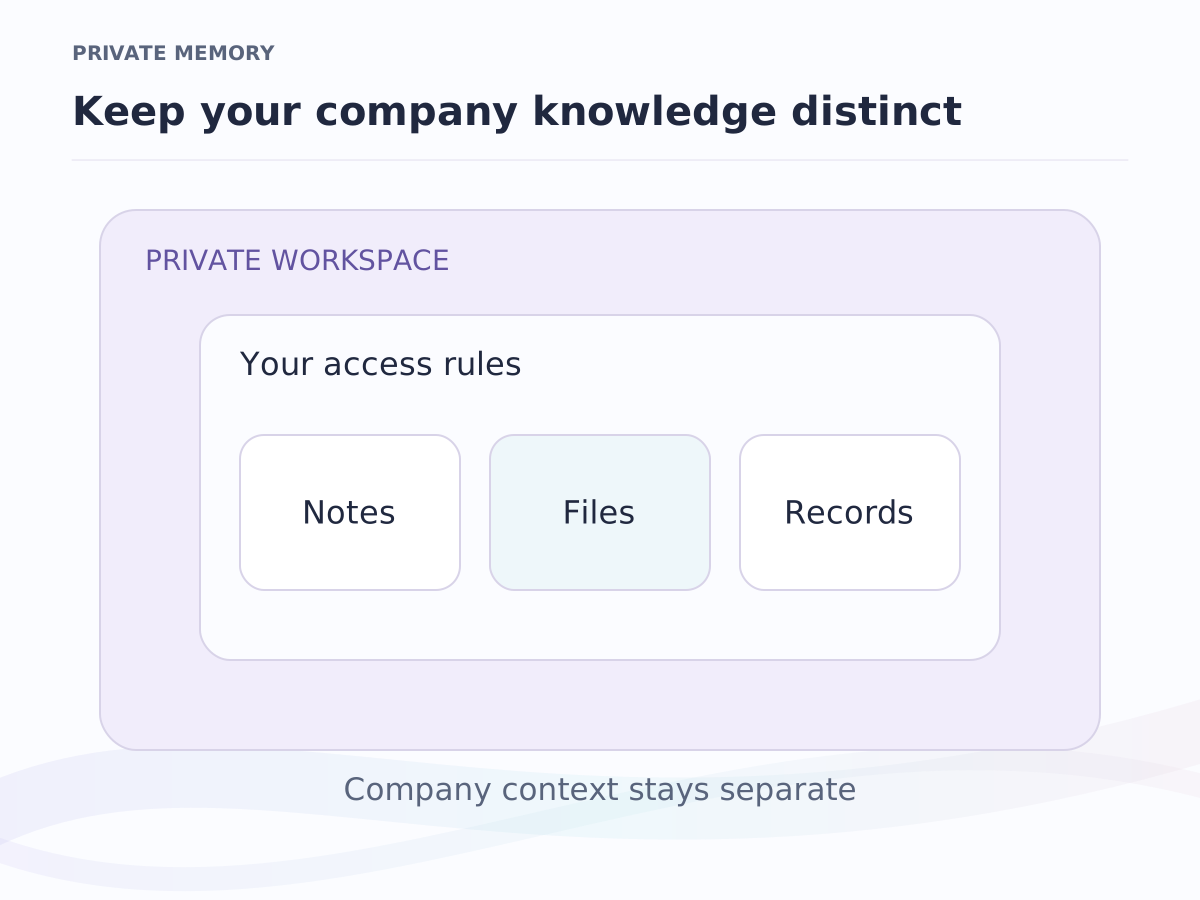
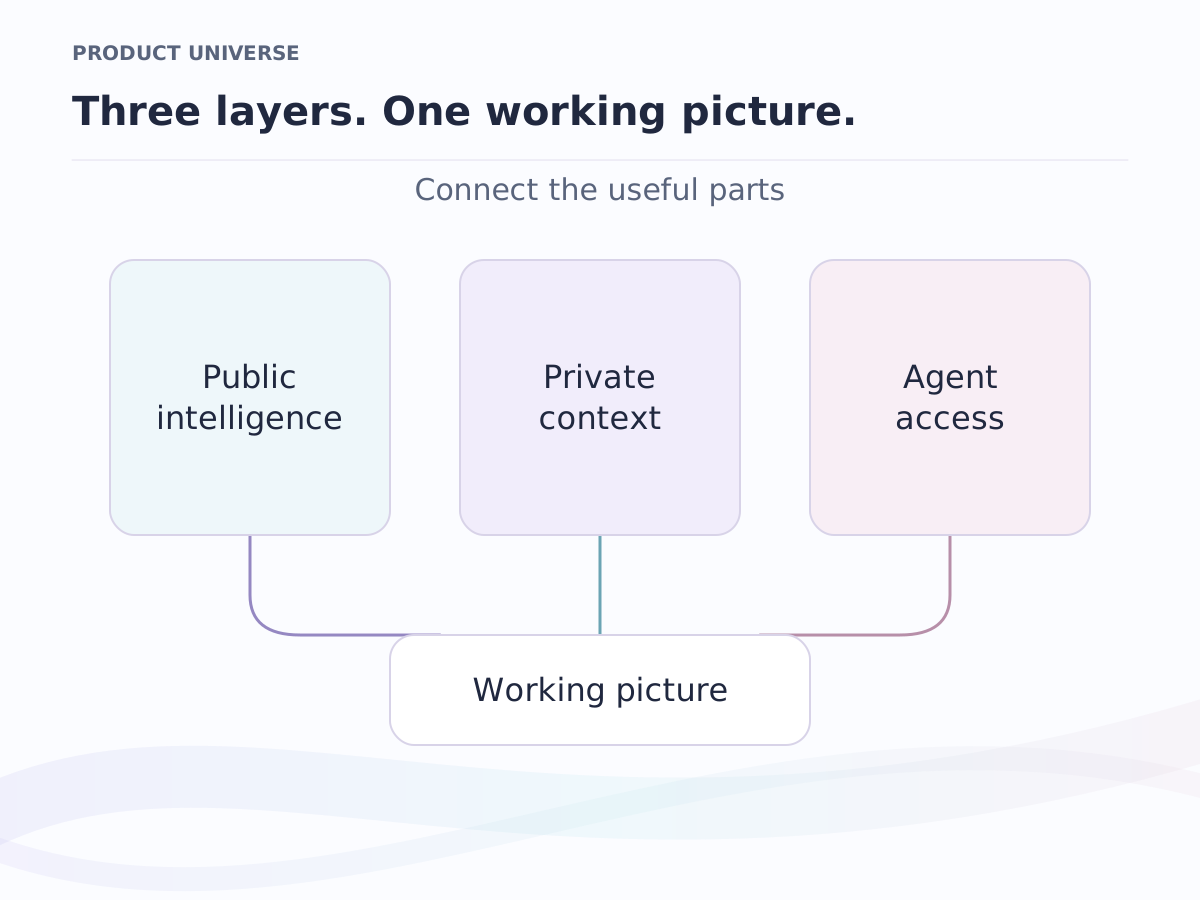
The conversations live elsewhere. In Ishara, email, recorded calls and WhatsApp Business messages sit on the record they belong to, under each person's access rules, and your AI assistants read the same context through the API and MCP (private context). Your private context is supplied at the moment of a request and is never used to train models.
Capability comparison
| Capability | Ishara | Spreadsheet |
|---|---|---|
| A list you fully control | Yes | Yes |
| Investor data included on day one | Yes 32,822 investors | No |
| Tender feed without a person checking portals | Yes six markets | No |
| Recompete visibility before the new tender is published | Yes | No |
| Bid history from published bidder tables | Yes | Partial your own past bids |
| Matching with a reason per name, plus warm paths | Yes | No |
| Email, calls and WhatsApp Business conversations on the record | Yes | No |
| Context your AI assistants can read, under access rules (API and MCP) | Yes | No |
| Arabic and English titles in one data model | Yes | Partial two columns by hand |
| Free-form analysis in any layout | Partial filter, sort, export | Yes |
| Zero learning curve for everyone around you | Partial | Yes |
| Runs as a local file, offline | No a web app you can install | Yes |
A work email reserves 5,000 credits ($50).
Bring the sheet in
Your sheet is the starting point: CSV import maps your columns to typed fields and merges duplicates on every run. When your invite arrives, load the sheet first; workspaces open on the Free plan. The raise calculator and bid calculator size either pipeline today.